

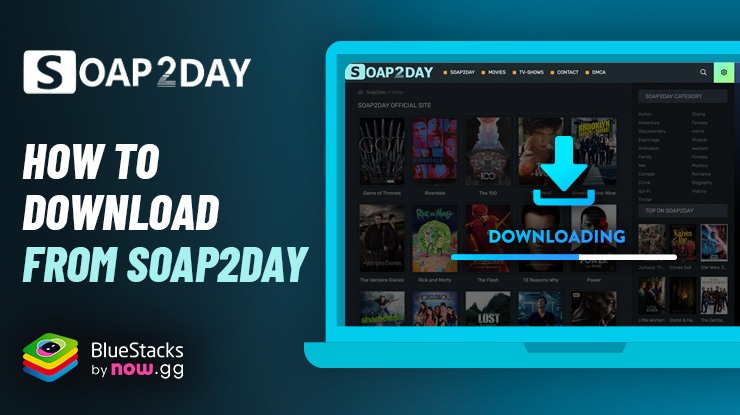
In the vast, ever-evolving landscape of online streaming, few names have sparked as much controversy, convenience, and confusion as Soap2Day. For several years, this enigmatic website served as a go-to destination for millions of users seeking free, immediate access to a vast library of movies and TV shows, from the latest blockbuster releases to classic series. Its story is a quintessential tale of the digital age—a saga of rampant consumer demand, the relentless pursuit of free content, and the inevitable clash with the multi-billion dollar entertainment industry. To understand Soap2Day is to understand a significant, albeit illegal, chapter in the history of how we consume media.
At its core, Soap2Day was a piracy website. It operated without licensing agreements from studios, production companies, or distributors. Unlike legitimate streaming services such as Netflix, Hulu, or Disney+, which pay hefty sums for the rights to host content, Soap2Day simply aggregated links to video files hosted on third-party servers. Its business model was not subscription-based; it was built on ad revenue. Visitors to the site were bombarded with intrusive pop-ups, redirects, and potentially malicious advertisements for gambling, dating sites, and dubious downloads. This was the “price” users paid for free access: navigating a minefield of ads and exposing their devices to security risks.
Despite these significant drawbacks, Soap2Day’s popularity skyrocketed for one simple reason: it offered everything in one place, for free, with minimal barriers. In an era of “subscription fatigue,” where consumers must juggle multiple paid services to follow their favorite shows, the appeal was undeniable. A user could search for a newly aired TV episode minutes after it broadcast on cable or search for an obscure film unavailable on any major platform and likely find it on Soap2Day. The interface, while ad-ridden, was relatively straightforward, featuring a clean design, functional search, and organized categories. This user-friendly veneer masked its illicit nature, making it feel like just another streaming site to a less tech-savvy audience.
The legal and ethical implications of Soap2Day were always clear-cut from the perspective of the law. The site violated copyright on a massive scale. Every movie and show streamed represented lost revenue for creators, from A-list actors and directors to below-the-line crew members like set designers and cinematographers. The industry argued, convincingly, that piracy directly harms the ecosystem that produces the very content users crave. Furthermore, the security risks were substantial. The ad networks used by such sites are often gateways for malware, ransomware, and phishing scams, putting users’ personal data and financial information at serious risk.
For years, Soap2Day played a cat-and-mouse game with authorities and copyright holders. It frequently changed its domain (using alternatives like Soap2Day.to, Soap2Day.ac, etc.) to evade seizures and blocks by internet service providers. This resilience added to its notoriety and user loyalty. However, the pressure was building. The Alliance for Creativity and Entertainment (ACE), a global coalition of major entertainment companies including Disney, Netflix, Warner Bros., and others, has made shutting down piracy operations a top priority.
The end came abruptly in June 2023. The main Soap2Day domain and its associated network of sites suddenly went offline. In its place, a simple message appeared: “Soap2Day has been permanently closed.” While no official legal statement was immediately plastered across the site, the evidence pointed to a decisive action by ACE. Reports confirmed that ACE, in collaboration with law enforcement, had launched an operation that led to the identification of the site’s operator and the seizure of its domains and related assets. The digital fortress had finally been breached.
The disappearance of Soap2Day sent ripples through its massive user base, but it did not create a vacuum. Almost immediately, questions arose on forums and social media: “What happened to Soap2Day?” and “What are the best Soap2Day alternatives?” This highlights the persistent demand that fueled Soap2Day in the first place. A plethora of copycat sites with similar names and interfaces emerged, attempting to capture the departed audience. However, these alternatives often carry even greater risks—more aggressive ads, more deceptive “download” buttons, and less reliability. The cycle of piracy continues, just on different URLs.
The legacy of Soap2Day is multifaceted. On one hand, it stands as a monument to consumer frustration with the fragmented, increasingly expensive legal streaming market. It revealed a desire for universal access—a “one-stop shop”—that legitimate services are still struggling to address through bundling and licensing deals. On the other hand, its story is a clear warning. It underscores the tangible consequences of digital piracy for the creative industry and the very real dangers such sites pose to everyday users who may be unaware of the cybersecurity threats lurking behind a free movie.
Ultimately, the saga of Soap2Day reinforces a critical lesson for the streaming era: if the legal market does not provide accessible, affordable, and convenient options, illegal alternatives will flourish to meet the demand. The challenge for the entertainment industry is not just to enforce copyright but to innovate business models that make piracy an unnecessary risk rather than a tempting convenience. For consumers, the demise of Soap2Day is a reminder that “free” always comes with a hidden cost—whether it’s lost income for creators, a malware-infected computer, or the constant instability of operating outside the law.
As the digital landscape continues to shift, the ghost of Soap2Day lingers. It serves as a benchmark for piracy’s appeal and a case study in its eventual downfall, reminding both viewers and distributors of the ongoing tug-of-war over content in the 21st century.